Technology: PEMF therapy for horses
An accessible, evidence-informed introduction.
What is PEMF?
Magnetic therapy is increasingly used in horses as an adjunct to treatment, rehabilitation and recovery following training and competition.
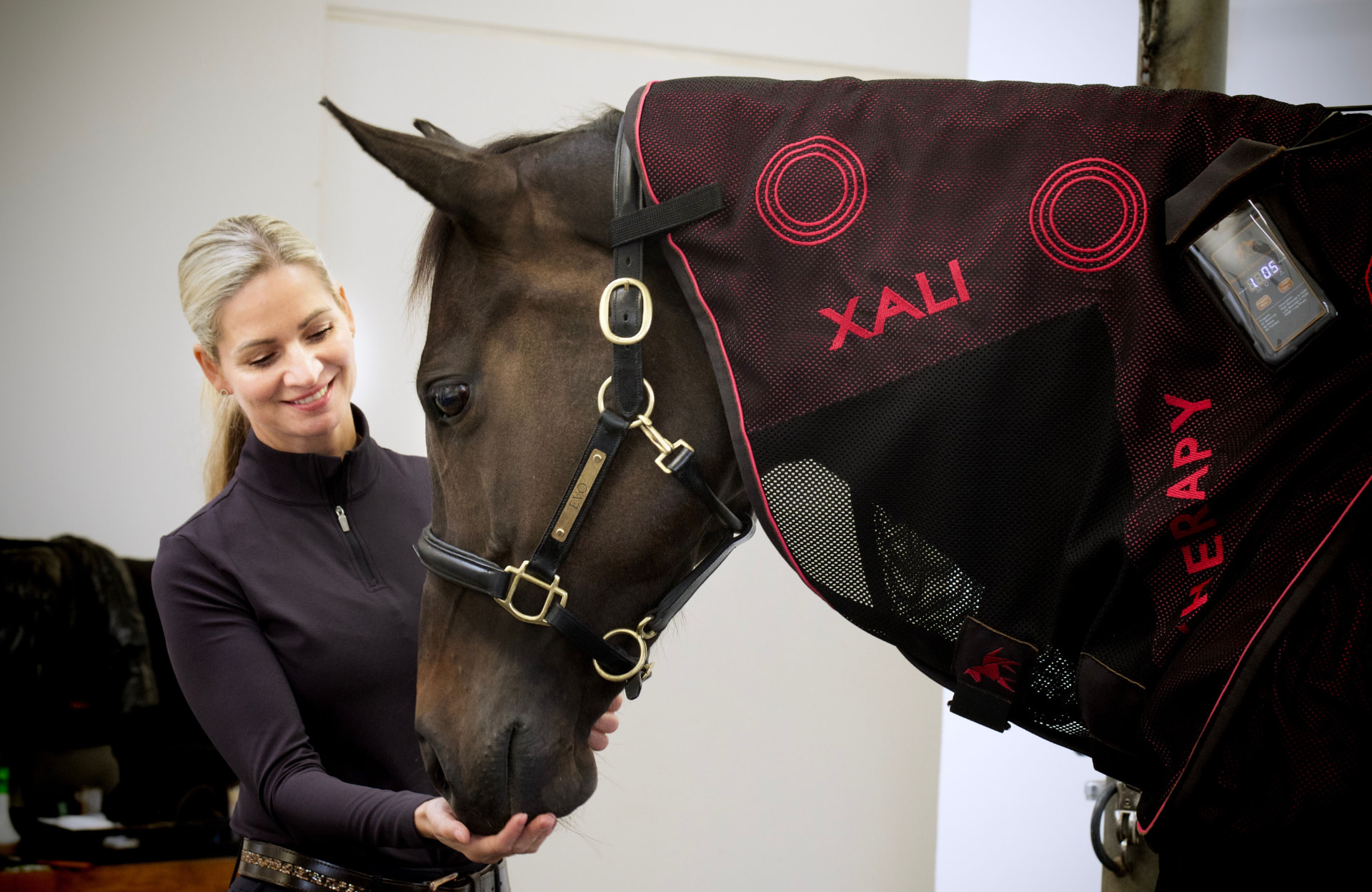
PEMF stands for Pulsed Electromagnetic Field Therapy. A PEMF blanket produces weak, pulsed electromagnetic fields around different areas of the horse’s body.
Pulsed fields, not permanent magnets
PEMF differs from simply placing permanent magnets on the horse. With PEMF, the electromagnetic field continuously changes or ‘pulses’, allowing it to interact with biological processes within the tissues.
The explanation here concerns PEMF in general, rather than evidence for a specific XALI product.
What happens inside the horse’s body?
The horse’s body consists of billions of cells that communicate through electrical and chemical signals. Exposure to pulsed electromagnetic fields may influence some of these processes.
Muscles and muscular tension
PEMF may influence muscular tension and sensitivity. Small equine studies have reported reduced palpation sensitivity and muscular tension following treatment, although research remains limited.
Pain and discomfort
PEMF is being investigated for potential effects on pain and inflammatory mechanisms. Recent equine research has reported some short-term changes in horses with osteoarthritis, but objective measurements have not consistently demonstrated the same effects.
Inflammation
Electromagnetic fields may influence some cellular signalling pathways involved in inflammation. This does not mean that PEMF simply ‘removes inflammation’; it may potentially modulate aspects of the biological response.
Bone and tissue healing
Bone is a particularly interesting area of PEMF research. Experimental equine research has demonstrated increased bone formation in PEMF-treated bone defects compared with control sites.
Recovery
PEMF is commonly used following exercise and competition. Strong evidence that it generally accelerates recovery or improves performance in healthy sport horses is still lacking.
How does a PEMF blanket work?
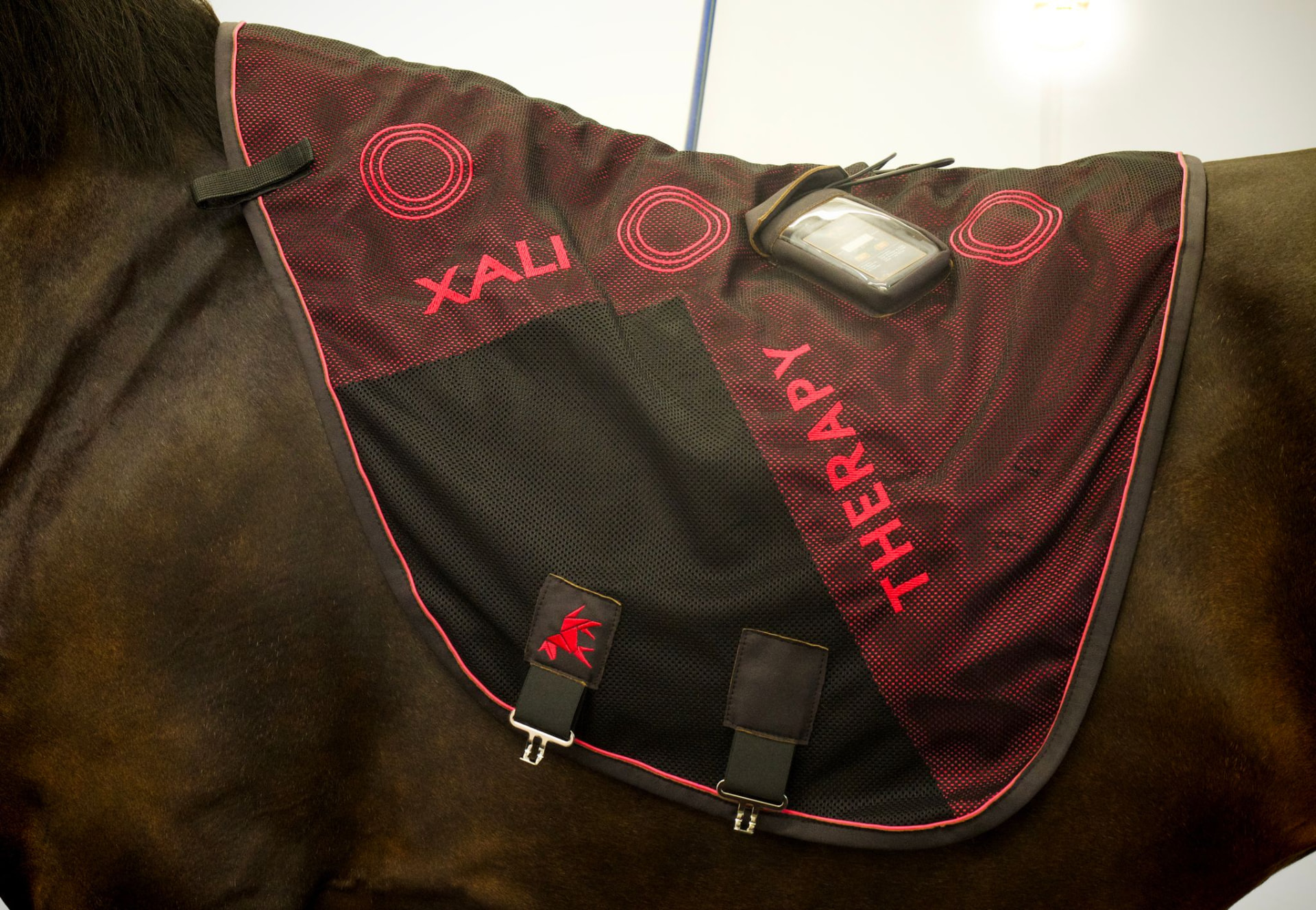
The blanket contains electromagnetic coils positioned over different areas of the horse’s body. This allows PEMF to be applied across relatively large areas, including the back, lumbar region, neck and pelvic region.
The blanket is therefore not physically ‘massaging’ the muscles with magnets. The therapeutic principle is based on interaction between pulsed electromagnetic fields and biological tissue.
- PEMF blanket
- Pulsed electromagnetic field
- Interaction with tissue
- Potential biological effects
Potential effects include changes in cellular signalling, pain modulation, inflammatory processes and tissue repair.
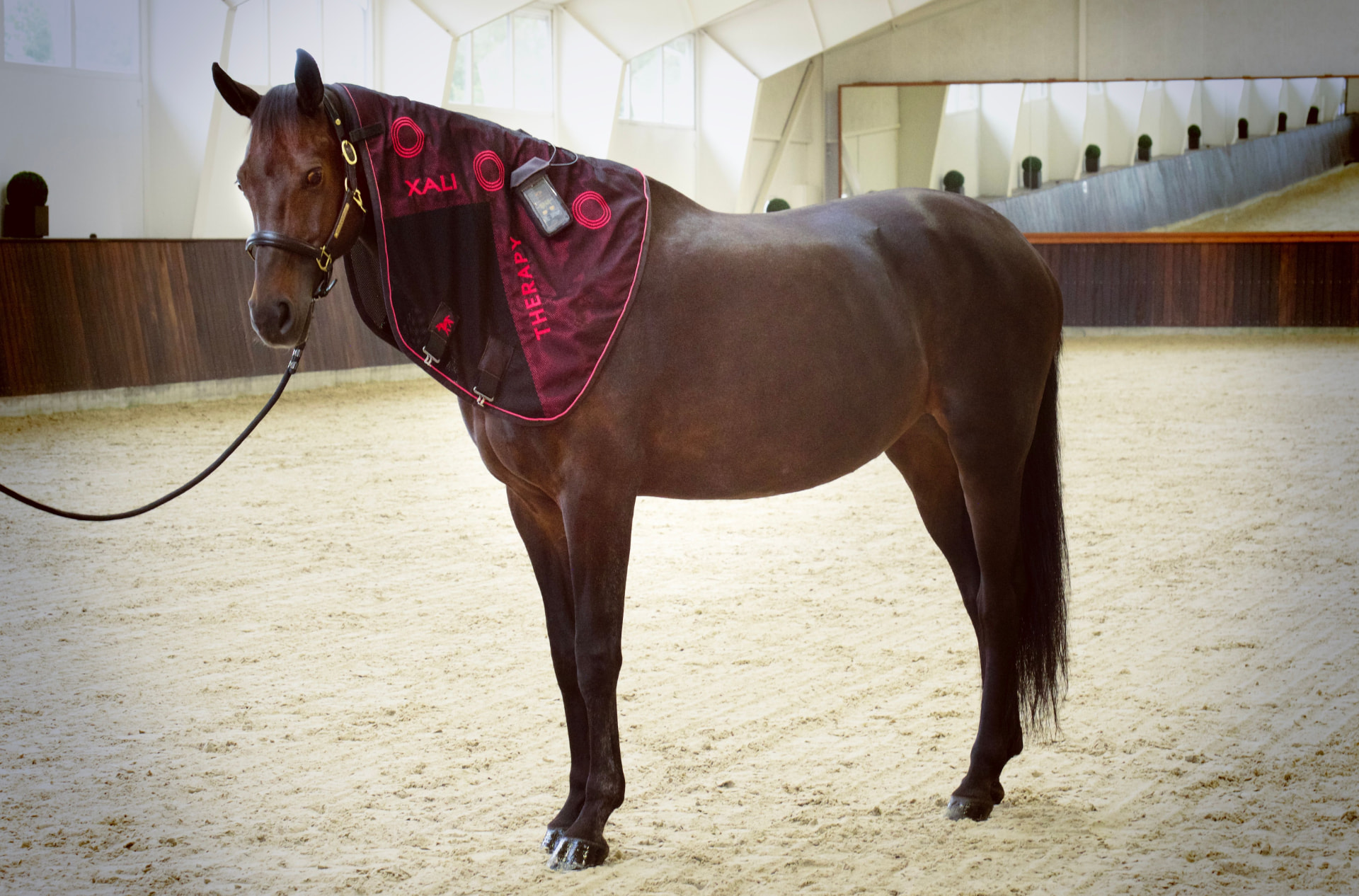
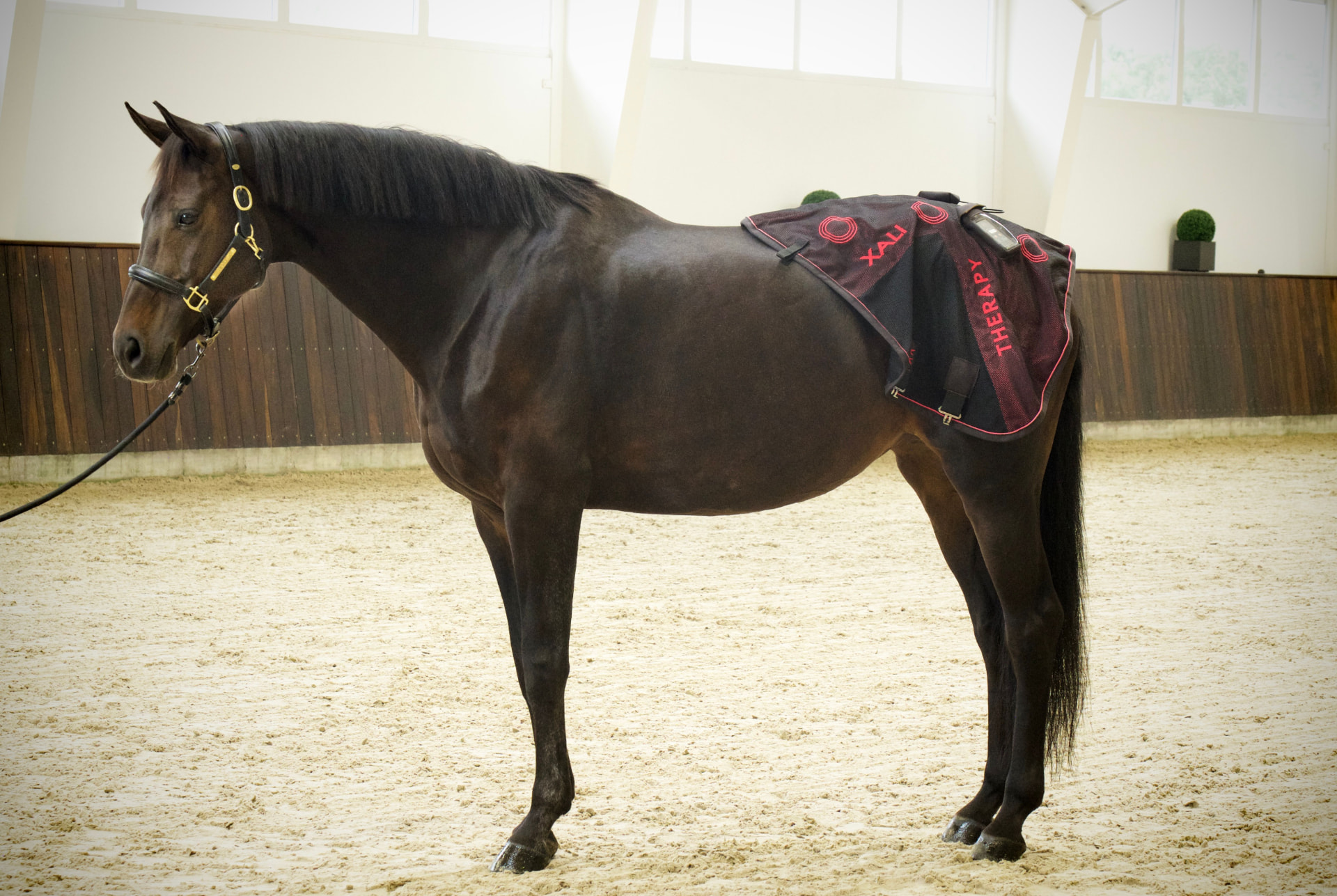
Three placements, one system
The same blanket can be positioned over different areas of the horse’s body, depending on where the work is needed. The coil layout follows the area being treated, and the control unit stays accessible on top.
When might PEMF be useful?
- As an adjunct for muscular tension and soreness
- During recovery following exercise or competition
- As part of rehabilitation following injury
- As an adjunctive modality for certain musculoskeletal problems
- In rehabilitation involving bone tissue
- Alongside physiotherapy, manual therapy and structured rehabilitation
What does the science say?
Scientific research shows that pulsed electromagnetic fields can interact with biological processes. Equine research has investigated areas including bone formation, muscular sensitivity and osteoarthritis.
However, clinical research in horses remains relatively limited. It is therefore not scientifically justified to conclude that PEMF is effective for every condition for which magnetic therapy may be promoted.
In simple terms: PEMF may be a useful addition to equine treatment, rehabilitation and recovery — but it should not be regarded as a miracle treatment.

A treatment and a treat
Selected scientific references
- Gaynor JS, Hagberg S, Gurfein BT. Veterinary applications of pulsed electromagnetic field therapy. Research in Veterinary Science. 2018;119:1–8. PMID: 29775839
- Systematic review of electrotherapy modalities in veterinary medicine. PMID: 36611674
- Equine study of PEMF and distal tarsal osteoarthritis (2026). PMID: 42556520
- Equine pilot study investigating magnetotherapy and longissimus dorsi sensitivity (2026). PMID: 41514765
- Experimental equine bone-healing study using low-frequency pulsed electromagnetic fields. PMID: 8410466
The scientific evidence varies considerably according to indication, device parameters, treatment protocol and outcome measure. Product-specific claims should therefore be evaluated separately from the broader PEMF literature.